Selecting the right laboratory water purification system for a specific application can be a challenge. While the application defines the required water quality, the final choice of system also depends on practical factors such as feed water quality, daily water requirement, number of instruments, number of users, dispensing pattern, available space, compliance needs and future expansion plans.
For applications such as HPLC, UHPLC, LC-MS/MS, ICP-MS, cell culture or clinical diagnostics, more than one system model may appear suitable from a water quality point of view. The important question is not only whether the system can produce the required water quality today, but whether it can continue to support the laboratory reliably as usage increases.
In many laboratories, water demand grows over time. Additional instruments may be installed, more users may depend on the same system, or the laboratory may expand into more sensitive applications. If such expansion is expected in the next two to three years, it is often better to select a system with slightly higher capacity, or a system that can be upgraded later to increase water generation rate.
A system with upgrade capability gives the user greater long-term flexibility. With a relatively small additional investment, the laboratory may be able to increase water production instead of purchasing a completely new system. This helps protect the original investment, reduces future capital expenditure and simplifies service and maintenance planning
At the same time, the system should not be unnecessarily oversized. The ideal choice is often a balanced middle path: a system that meets the current application requirement, fits the available budget and provides enough flexibility for future growth.
This approach helps laboratories select a water purification system that is suitable for the current application and prepared for future requirements.
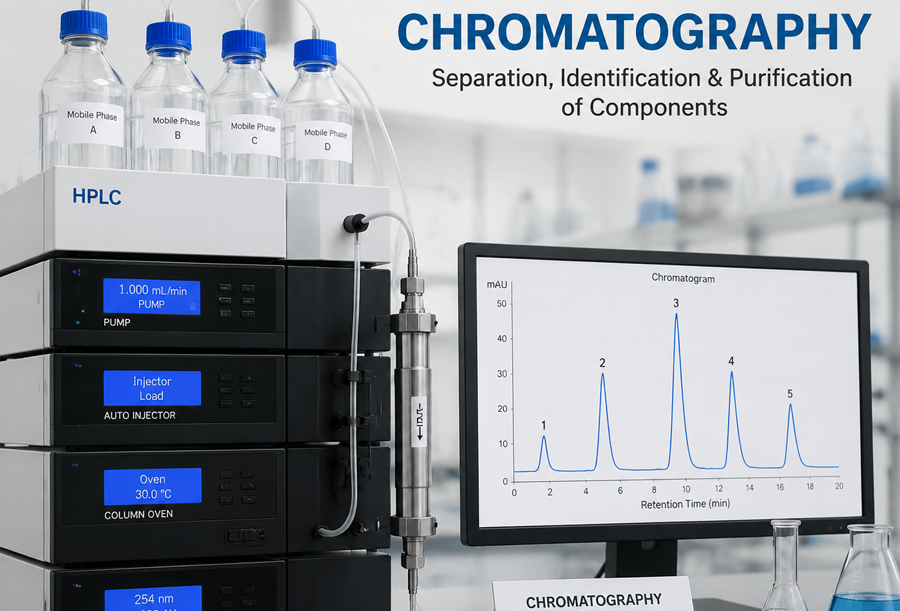
Chromatographic techniques depend on water for mobile-phase preparation, standards, blanks, sample dilution, reagent preparation and instrument rinsing.
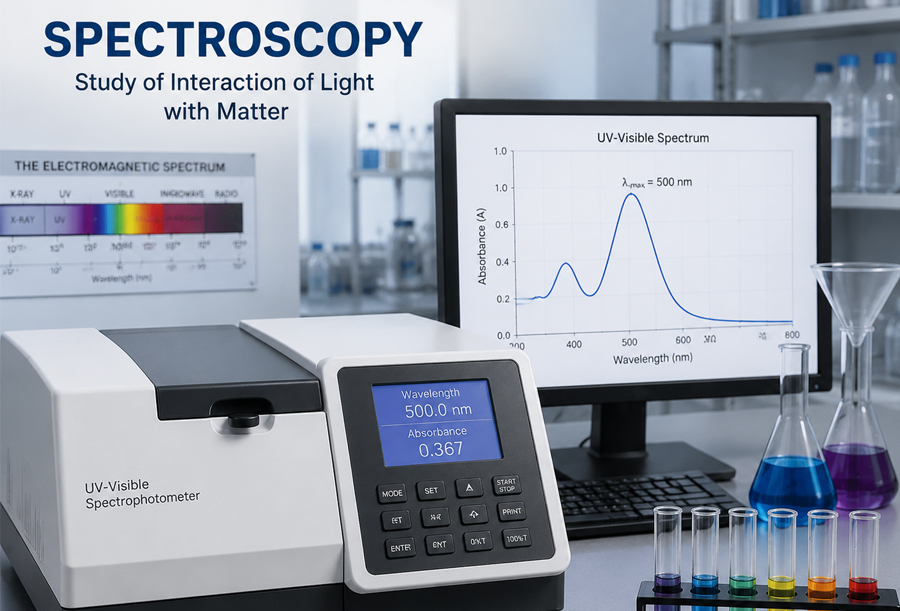
Spectroscopic techniques such as ICP-OES, ICP-MS and Atomic Absorption Spectroscopy are used to measure metals and other elements at concentrations ranging from relatively high levels to ultra-trace quantities.
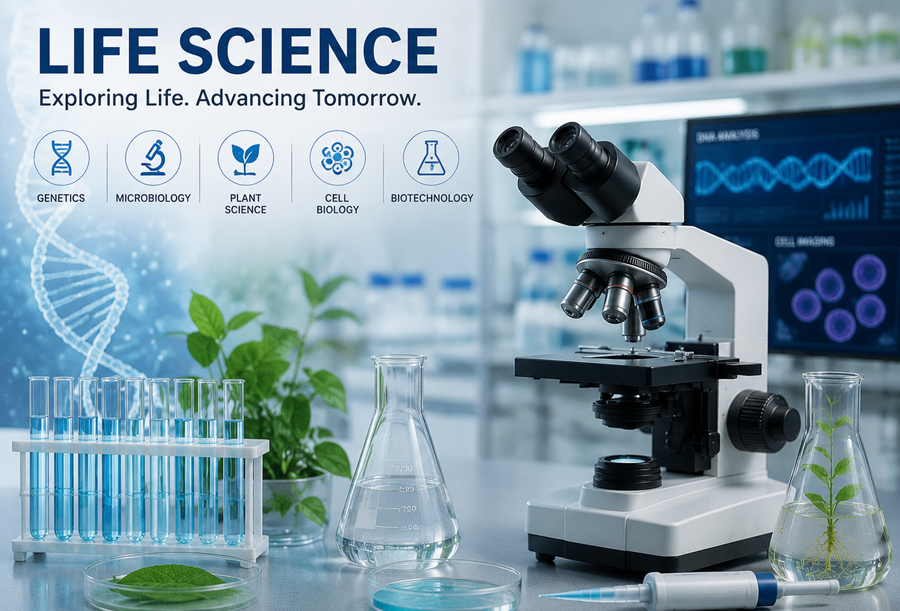
Water is used throughout life-science laboratories for media preparation, buffers, reagents, standards, washing, molecular assays, instrument operation and general laboratory procedures.

Water is used throughout clinical, healthcare and pathology laboratories for reagent preparation, analyser operation, washing, dilution, staining, sterilization support and general laboratory procedures.
Water is one of the most frequently used laboratory reagents. It is required for preparing chemicals, buffers and standards, washing laboratory ware, supplying instruments and supporting routine experimental procedures.
Water is used throughout the cleaning, rinsing, thermal disinfection and steam-generation stages involved in reprocessing reusable medical devices.